
 Image 1 of 1
Iron deficiency is the most common nutritional deficiency in Australia and a key driver of fatigue and reduced physical performance.
Iron is essential for the production of haemoglobin—the protein in red blood cells responsible for transporting oxygen from the lungs to tissues throughout the body. When iron levels are insufficient, oxygen delivery becomes compromised, impacting cellular energy production.
Common signs of iron deficiency or iron deficiency anaemia may include:
Fatigue or low energy
Shortness of breath with minimal exertion
Heart palpitations
Reduced exercise tolerance
Pale skin
Pulstatile tinnitus (hearing your pulse in your ears)
Addressing iron deficiency is typically straightforward once identified. Dietary strategies can support iron intake, including:
Red meat and organ meats
Eggs
Dark green leafy vegetables (e.g. spinach, kale)
Whole grains and iron-fortified cereals
Wheat germ and dried fruits such as raisins
In cases of confirmed deficiency, or during periods of increased demand (e.g. pregnancy or breastfeeding, heavy menstrual bleeding), targeted supplementation may be required. Iron supplementation should only be initiated based on pathology, as excess iron can contribute to oxidative stress and long-term health risks.
How It Works
Order your test - Please add your date of birth in the order message
Receive your pathology request via email (within 24 hours)
Attend your local pathology collection centre for a blood draw
Results are returned within 24 hours
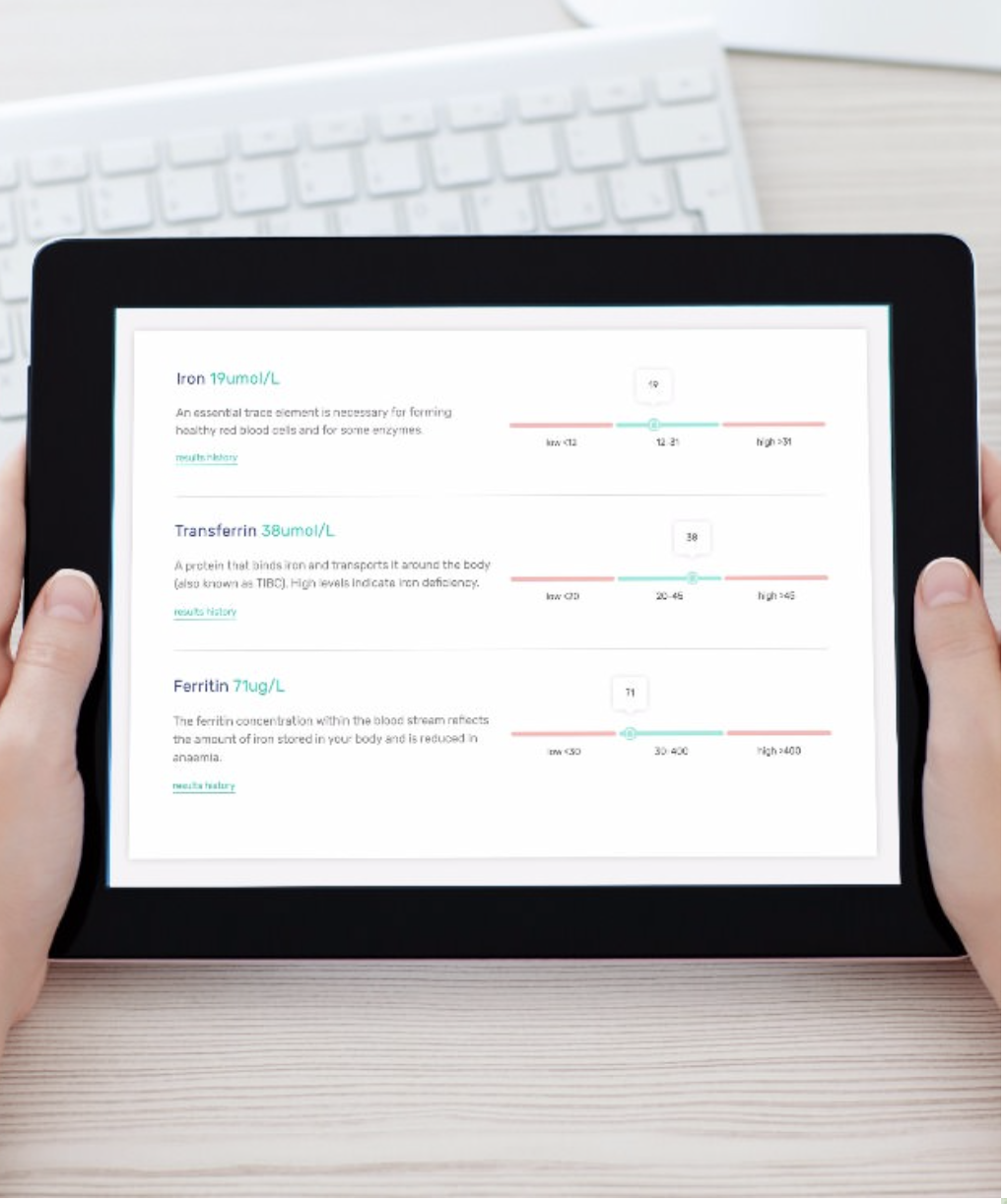
Your results are then assessed using a functional framework to identify suboptimal patterns—not just overt deficiency. Where indicated, a personalised consultation can be arranged to interpret findings and develop a targeted nutrition and supplementation plan.
Pre-Test Guidelines
Fast overnight (water only)
Avoid alcohol for 24 hours prior
Avoid exercise for 24 hours prior
Attend for blood collection first thing in the morning
Iron deficiency is the most common nutritional deficiency in Australia and a key driver of fatigue and reduced physical performance.
Iron is essential for the production of haemoglobin—the protein in red blood cells responsible for transporting oxygen from the lungs to tissues throughout the body. When iron levels are insufficient, oxygen delivery becomes compromised, impacting cellular energy production.
Common signs of iron deficiency or iron deficiency anaemia may include:
Fatigue or low energy
Shortness of breath with minimal exertion
Heart palpitations
Reduced exercise tolerance
Pale skin
Pulstatile tinnitus (hearing your pulse in your ears)
Addressing iron deficiency is typically straightforward once identified. Dietary strategies can support iron intake, including:
Red meat and organ meats
Eggs
Dark green leafy vegetables (e.g. spinach, kale)
Whole grains and iron-fortified cereals
Wheat germ and dried fruits such as raisins
In cases of confirmed deficiency, or during periods of increased demand (e.g. pregnancy or breastfeeding, heavy menstrual bleeding), targeted supplementation may be required. Iron supplementation should only be initiated based on pathology, as excess iron can contribute to oxidative stress and long-term health risks.
How It Works
Order your test - Please add your date of birth in the order message
Receive your pathology request via email (within 24 hours)
Attend your local pathology collection centre for a blood draw
Results are returned within 24 hours
Your results are then assessed using a functional framework to identify suboptimal patterns—not just overt deficiency. Where indicated, a personalised consultation can be arranged to interpret findings and develop a targeted nutrition and supplementation plan.
Pre-Test Guidelines
Fast overnight (water only)
Avoid alcohol for 24 hours prior
Avoid exercise for 24 hours prior
Attend for blood collection first thing in the morning